
How owning 1% of a floating resort works
Fractional ownership at the Reef Resort starts at a single percent of one unit. What that buys, how it is paid for, and what is still unclear.
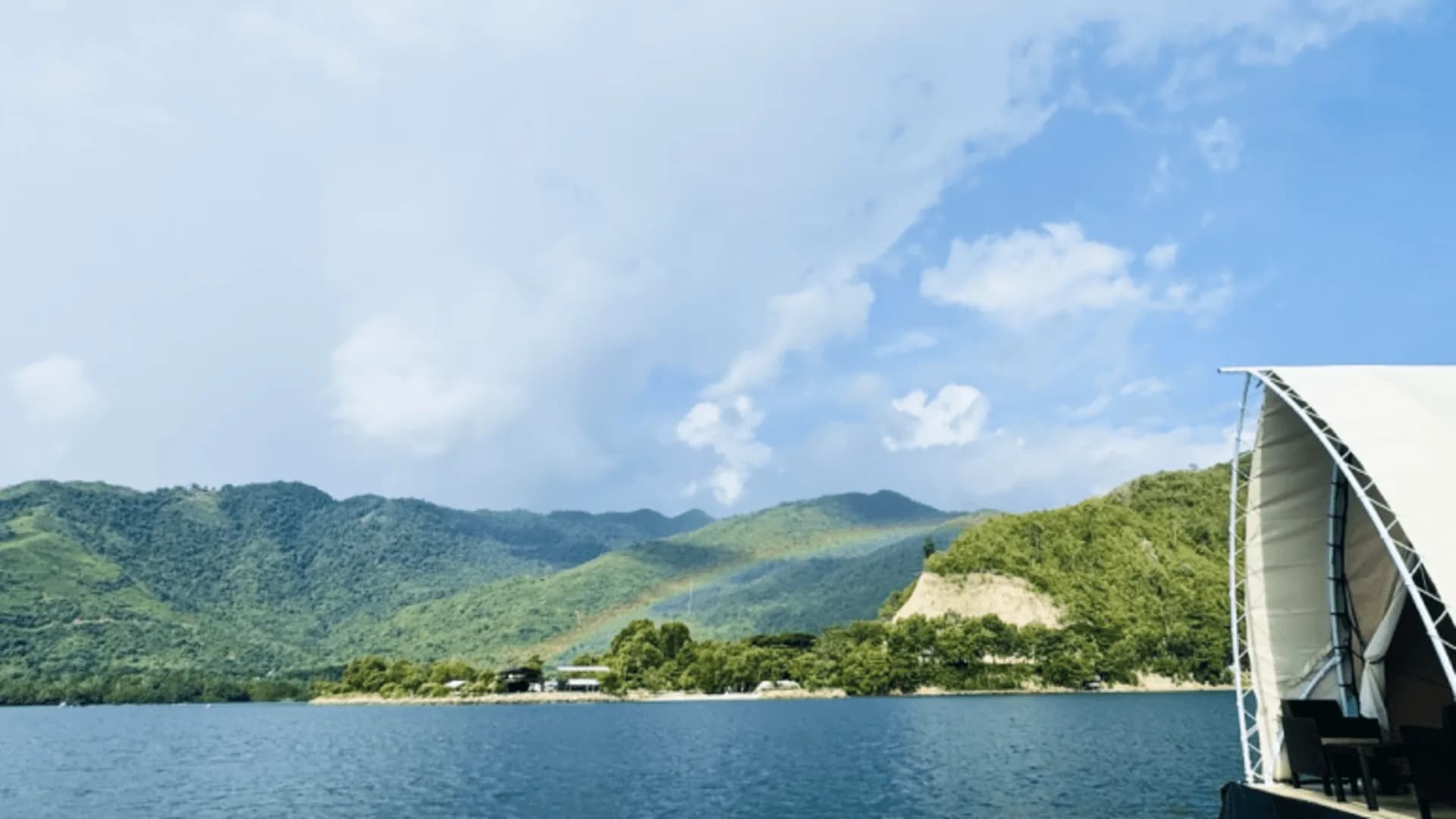
Most floating-real-estate propositions ask you to buy a building. The Reef Resort asks you to buy a slice of one, and the slice can be very thin.
The range
Ownership is offered from 1% up to 100% of a unit. At the bottom end, The Seasteading Institute reported partial ownership available from $160 — which is a genuinely unusual entry point for anything described as real estate.
At the other end, a whole ArkPad platform was presented at a starting price of $165,000.
Between those two numbers is the entire proposition: the same asset, sold in whatever size you can afford.
What an owner gets
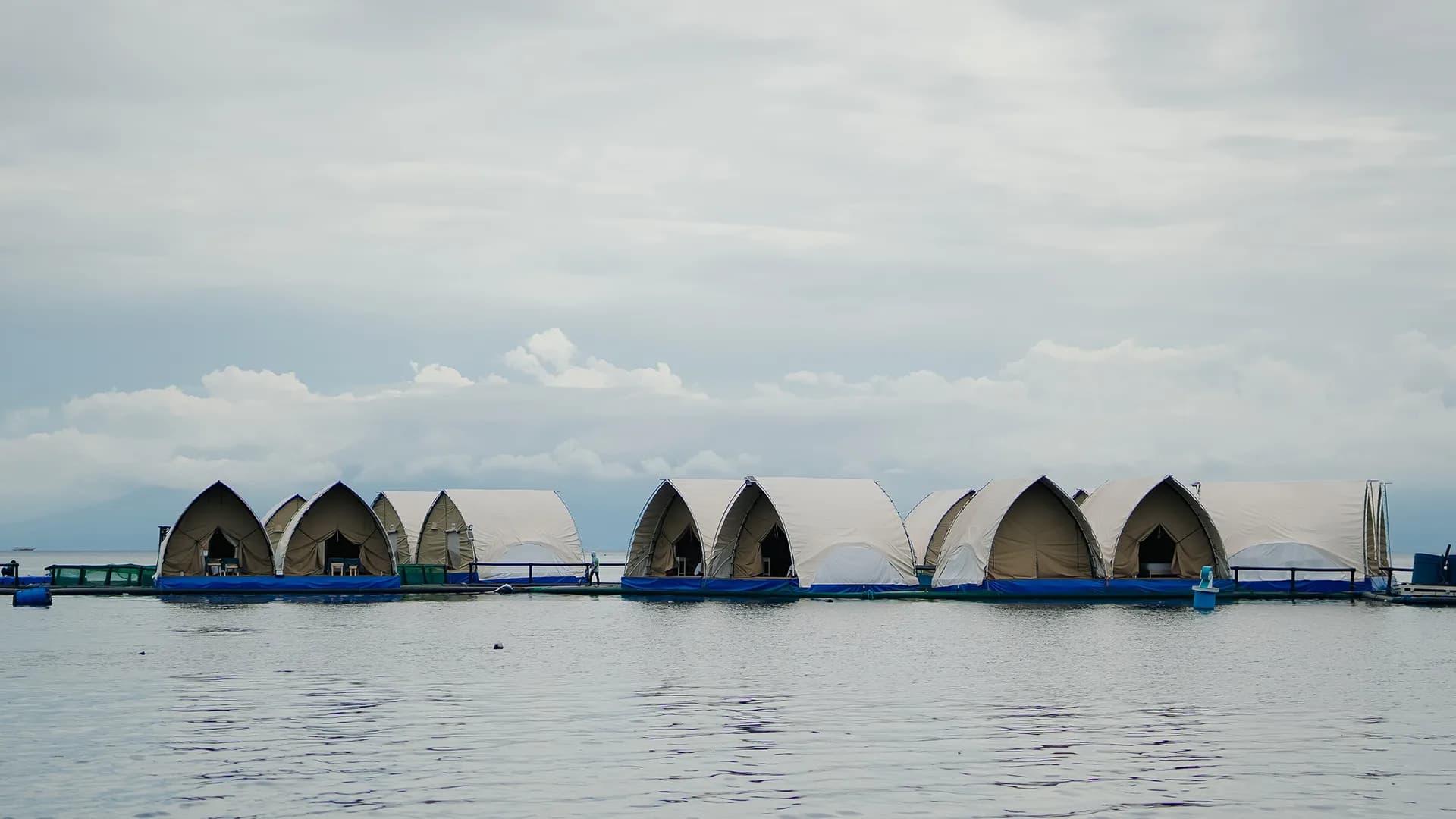
Three things, per the resort's own description.
- Usage rights, scaled to the size of the holding.
- Yield from the eco-resort's operations.
- A say in community governance.
The first distribution cycle was scheduled for January 2026. Owners can pay in cryptocurrency or by conventional means, and ArkPad states that an owner — whether they hold a full unit, half a unit, or 1.5% of one — is always entitled to sell that ownership to whoever they wish.
That last point is worth pausing on. Free transferability is the difference between an asset and a membership. Whether a buyer is easy to find is a separate question, and one nobody can answer yet: there is no published secondary-market history because the resort has only been open since September 2025.
The durability figure
The resort quotes a real-estate durability range of 30 to 65 years. That is a wide band, and the site does not say what moves a given unit from one end of it to the other — presumably materials, exposure and maintenance regime, but that is inference and this post will not present inference as fact.

What is genuinely unclear
Two things, stated plainly because a prospective buyer should hear them from us rather than discover them later.
The legal instrument is not published. What an owner actually holds — shares in a company, a condominium-style title, a contractual right — under which jurisdiction, and what happens to it if the operator changes hands, is not described anywhere public. For a $160 ticket that may not matter much. For a $165,000 one it is the whole question.
The unit count is inconsistent. Five different Glamphouse figures are currently live across three ArkPad and Reef Resort sites, ranging from 14 units to 24. Since a fractional share is a share of a specific number of units, that inconsistency is not cosmetic.
Both are being chased. Until they are answered, the honest summary is that the economics are legible and the paperwork is not.
Talk to us
Something here you want to ask about?
Questions about anything in this post, a figure you would like sourced, or something you think is worth writing up — send it over.